
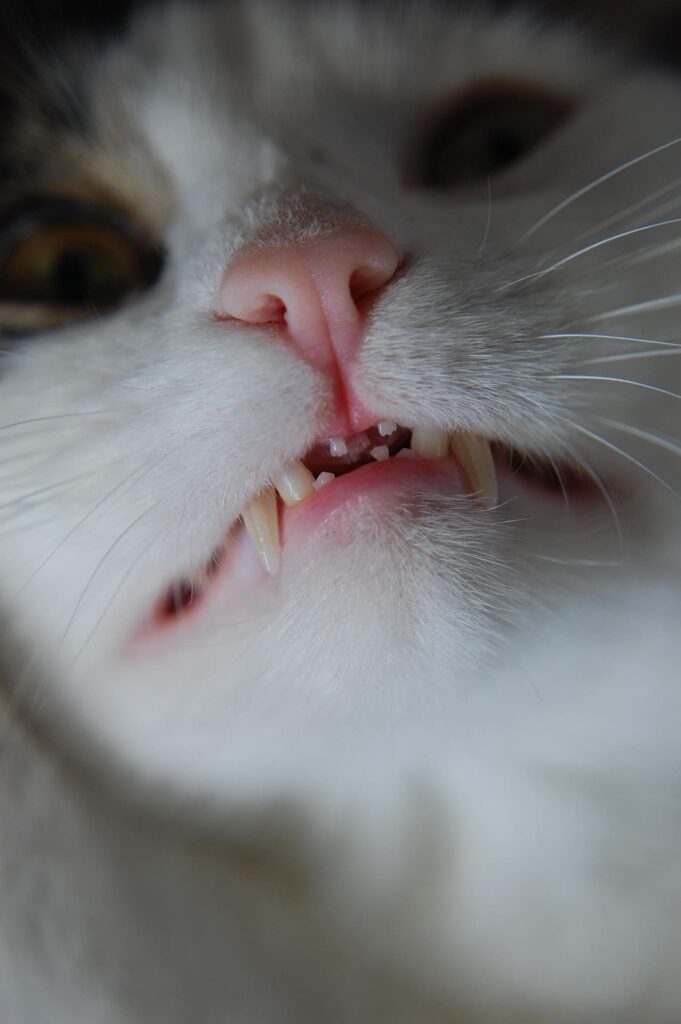
The stages of periodontal disease in cats are important for every cat owner to know. Periodontal disease is one of the most common yet overlooked health problems in cats. It damages the gums, teeth, and jawbone and can lead to pain, tooth loss, and other health problems. Understanding the stages of periodontal disease in cats can help ensure early treatment and a healthier life for your feline friend.
What Are the Stages of Periodontal Disease in Cats?
Stages of periodontal disease in cats begin when bacteria in the mouth form plaque, which hardens into tartar. This triggers gum inflammation and, if untreated, destroys the tissues supporting the teeth. Knowing these stages helps prevent serious dental and health issues.
Stage 1: Gingivitis in Cats
The first stage of periodontal disease is gingivitis. Signs may include:
-
Red, inflamed gums
-
Bad breath
-
Bleeding when chewing or brushing teeth
Gingivitis does not involve bone loss and is reversible with professional dental cleaning and home care.
Stage 2: Early Periodontitis in Cats
The second stage of periodontal disease in cats includes:
-
Mild tooth attachment loss (up to 25%)
-
Tartar build-up
-
Gum recession
-
Increased bleeding and inflammation
Although not fully reversible, early periodontitis can be managed with professional cleanings and good at-home dental care.
Stage 3: Moderate Periodontitis in Cats
In this stage, cats may suffer:
-
25–50% tooth attachment loss
-
Deep gum pockets
-
Loose teeth
-
Severe bad breath
Moderate periodontitis often requires surgery to save teeth and stop further damage.
Stage 4: Advanced Periodontitis in Cats
The most severe stage of periodontal disease in cats may cause:
-
Very loose teeth
-
Pus or discharge from gums
-
Difficulty eating
-
Tooth loss
-
Over 50% bone loss
Advanced cases often require tooth extractions. Chronic infections can spread and harm other organs, such as the heart or kidneys.
Why Early Detection of Periodontal Disease in Cats Matters
Many cats hide dental pain until it’s severe. Regular exams and dental X-rays are essential to spot hidden problems early. At Carefree Dentistry & Oral Surgery for Animals, we use advanced imaging like digital radiography and cone beam CT scans to diagnose dental disease under the gum line where it’s often hidden.
Learn more about feline dental health from the American Animal Hospital Association’s dental care guidelines for trusted information.
Final Thoughts on Stages of Periodontal Disease in Cats
The stages of periodontal disease in cats can progress silently but are often preventable. Recognizing early signs and seeking veterinary care quickly is the best way to keep your cat’s mouth and body healthy. If your cat has bad breath, swollen gums, or changes in eating habits, schedule a dental evaluation.
To learn more about feline dental health or book an appointment, visit Carefree Dentistry & Oral Surgery for Animals.