
Stage 4 periodontal disease in dogs is the most severe form of dental disease, causing irreversible damage to the teeth, gums, and supporting structures. At this stage, your dog’s health and comfort are at serious risk. Understanding the symptoms, causes, and treatment options for stage 4 periodontal disease in dogs is crucial to managing and preventing further complications.
Understanding Periodontal Disease in Dogs
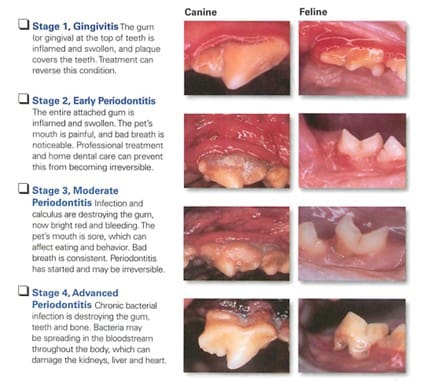
Periodontal disease is a common dental health issue in dogs caused by bacteria forming plaque that hardens into tartar. If untreated, it leads to gum inflammation (gingivitis), infection, and damage to the structures supporting the teeth. There are four stages of periodontal disease:
- Stage 1: Mild gum inflammation (gingivitis).
- Stage 2: Early periodontitis, with tartar under the gum line and receding gums.
- Stage 3: Moderate periodontitis, with significant gum damage and bone loss.
- Stage 4: Severe periodontitis, causing irreversible damage, tooth loss, and health risks.
Why Prompt Attention Matters
At stage 4, periodontal disease isn’t just a dental issue—it’s a whole-body health concern. The chronic infection can spread through the bloodstream, potentially affecting vital organs such as the heart, liver, and kidneys. This makes timely intervention critical. Dogs suffering from advanced periodontal disease may not always show obvious signs of pain, making routine dental exams essential for catching problems before they escalate. Early diagnosis and treatment can help protect your dog’s long-term health and quality of life.
What Are the Symptoms of Stage 4 Periodontal Disease in Dogs?
When a dog reaches stage 4 periodontal disease, the damage is irreversible. Symptoms may include:
-
Severe Gum Recession and Deep Pockets
Gums recede significantly, exposing tooth roots. Periodontal pockets harbor bacteria, worsening the infection and destroying bone. -
Loose or Missing Teeth
Teeth may loosen or fall out due to extensive bone loss and gum damage. -
Severe Bad Breath
Chronic bad breath, caused by bacterial buildup and infection, is often unmanageable with brushing alone. -
Pain and Discomfort
Dogs may show signs of oral pain, such as drooling, pawing at the mouth, or difficulty eating. -
Swollen or Bleeding Gums
Gums appear red, swollen, and may bleed easily. Pus may be visible near affected teeth. -
Behavior Changes
Pain can lead to behavioral changes, such as withdrawal, irritability, or reluctance to have their mouth touched.
Causes and Risk Factors
Poor dental hygiene is the primary cause of periodontal disease in dogs. Other risk factors include:
-
Age: Older dogs are more at risk due to years of plaque buildup
-
Breed: Small and brachycephalic (short-nosed) breeds are more prone to dental problems
-
Genetics: Some dogs are genetically predisposed to dental disease
-
Underlying Conditions: Illnesses like diabetes and kidney disease can worsen oral health
Treatment Options for Stage 4 Periodontal Disease
Professional veterinary care is necessary to treat stage 4 periodontal disease. Common treatments include:
-
Comprehensive Dental Cleaning
Performed under anesthesia, this deep cleaning removes plaque, tartar, and infection both above and below the gum line. -
Tooth Extractions
Severely damaged or infected teeth may need to be extracted to reduce pain and prevent further health issues. -
Antibiotic Therapy
In cases of severe infection, antibiotics may be prescribed to help control bacteria and inflammation. -
Follow-Up Care
Regular dental check-ups and cleanings are essential to prevent recurrence and monitor healing.
Prevention and Early Detection
The best way to avoid stage 4 periodontal disease is early detection and consistent preventive care. Steps you can take include:
-
Scheduling routine veterinary dental exams
-
Brushing your dog’s teeth daily
-
Offering dental chews or treats
-
Feeding a VOHC-approved dental diet
-
Getting professional cleanings when recommended
Learn how to brush your dog’s teeth with our step-by-step guide here.
Discover the importance of regular dental check-ups for dogs here.
Conclusion
Stage 4 periodontal disease in dogs is a serious condition that can lead to pain, infection, and long-term health issues. If your dog is showing signs of dental disease, don’t wait—seek veterinary dental care right away. With timely treatment and a commitment to preventive care, your dog can enjoy a healthier, happier life.
-
Helpful Resources: