
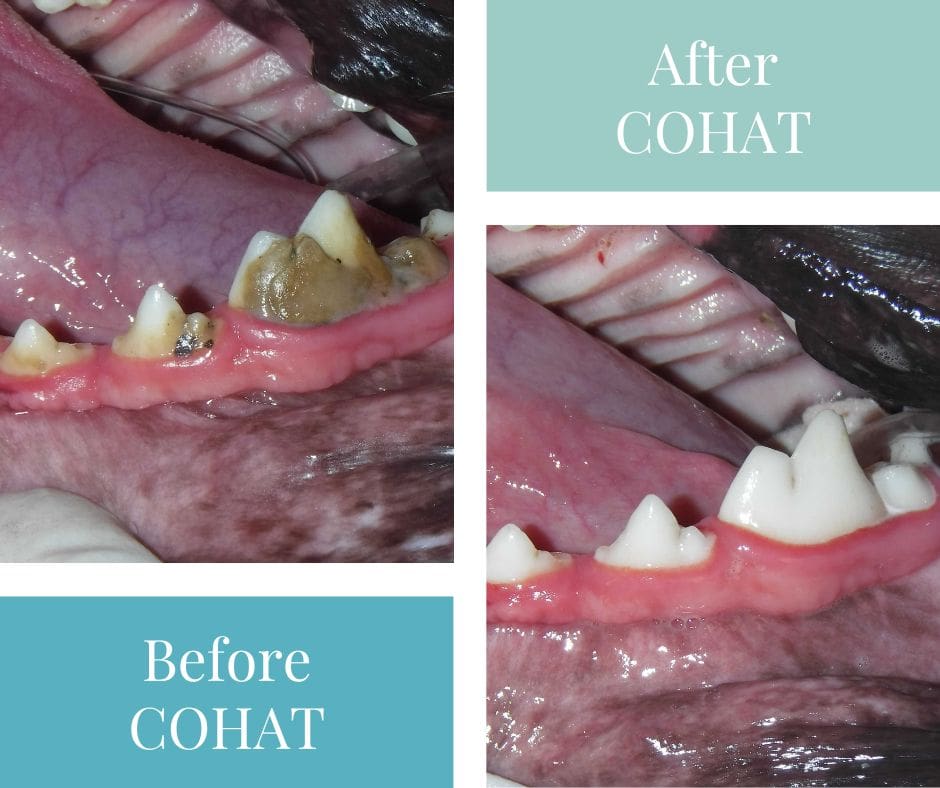
Dental pain in pets is easy to miss. Dogs and cats are wired to hide discomfort, so many continue eating and acting normal even when a tooth is badly infected. By the time owners notice a problem, the disease is often advanced.
If you are worried your pet may need a pet tooth extraction in Phoenix, paying attention to small behavior changes can make a big difference. Early treatment prevents pain from escalating and stops infection from spreading deeper into the body.
Common signs of dental pain in pets
Dental disease rarely announces itself loudly. Most pets suffer quietly. Contact your veterinarian if you notice any of the following:
Persistent bad breath
Chronic foul odor is not just typical pet breath. It usually signals bacterial infection under the gums.
Eating changes
Chewing on one side, dropping food, or avoiding hard kibble often indicates oral pain.
Red or bleeding gums
Inflamed gums are a sign of periodontal disease, which slowly destroys the support structures around the teeth.
Pawing at the mouth or facial swelling
Swelling or repeated pawing can point to a tooth root abscess or deep infection.
Loose, broken, or discolored teeth
Damaged teeth are painful and do not heal without treatment.
Subtle behavior changes
Irritability, hiding, or reduced play can be signs of chronic discomfort.
When a tooth extraction becomes necessary
A veterinarian recommends extraction when a tooth cannot be saved or is causing ongoing infection. Situations that commonly require a pet tooth extraction in Phoenix include:
-
Advanced periodontal disease
-
Tooth root abscess
-
Fractured teeth exposing the nerve
-
Severe decay
-
Retained baby teeth
-
Oral tumors affecting the tooth
Removing a diseased tooth prevents infection from spreading to the jaw, sinuses, and bloodstream. Left untreated, oral bacteria can impact major organs over time.
Why professional veterinary dental care matters
A proper dental procedure is far more than a cleaning. Safe treatment requires medical monitoring, imaging, and surgical precision.
Full oral exam under anesthesia
This allows a complete evaluation without pain or stress.
Dental X-rays
Most dental disease hides below the gumline and cannot be seen visually.
Pain control
Modern veterinary dentistry focuses heavily on comfort before and after surgery.
Sterile surgical technique
Professional extraction reduces complications and supports faster healing.
The American Veterinary Dental College explains that untreated dental disease can affect a pet’s entire body, not just the mouth:
https://avdc.org/pet-dental-care/
Why early treatment is always better
Waiting too long can lead to:
-
Severe infection
-
Jaw bone loss
-
Chronic pain
-
Higher treatment costs
-
Increased risk of systemic illness
Early evaluation often means simpler treatment and faster recovery.
Finding pet tooth extraction services in Phoenix
If your pet shows signs of dental disease, the safest next step is a veterinary exam. A trained dental team can confirm whether extraction is needed, provide dental X-rays, and perform safe surgical treatment.
Prompt care restores comfort quickly and improves quality of life.
Learn more about advanced veterinary dental care at
www.animaldentalaz.com
Schedule a dental exam to protect your pet’s health and relieve hidden pain.