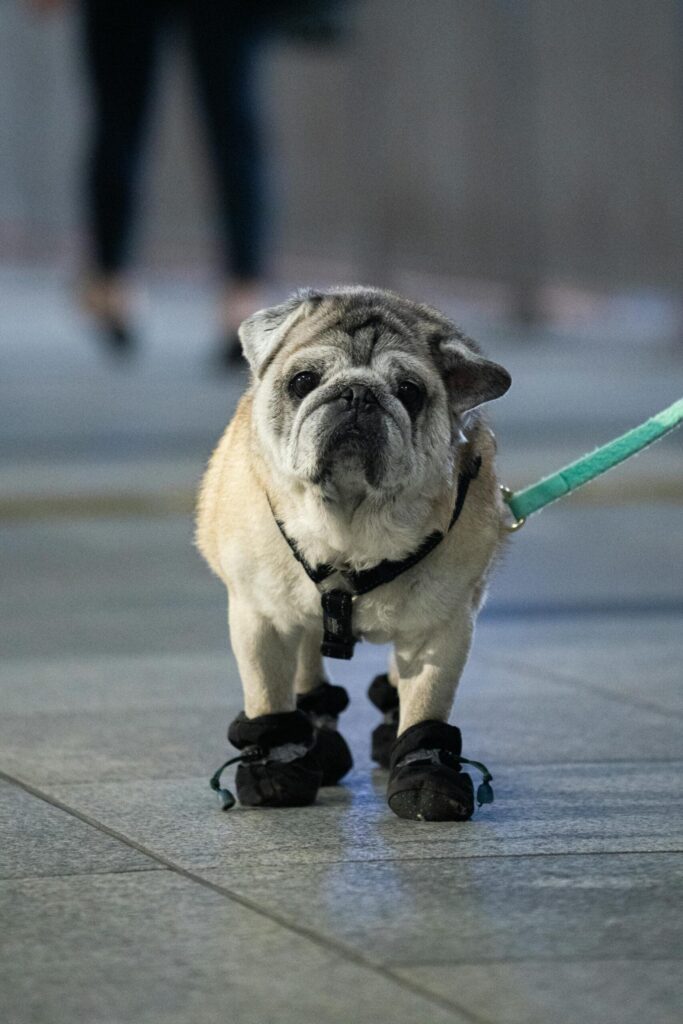
As dogs age, their dental needs change. Senior dog dental care plays a crucial role in preventing tooth loss, reducing pain, and protecting overall health. With proactive prevention and advanced veterinary treatments, aging pets can maintain a healthier mouth and a better quality of life in their golden years.
Why Senior Dog Dental Care Is Essential
Periodontal disease is the most common clinical condition in dogs—and it only gets worse with age. For senior dogs, years of plaque buildup, gingivitis, and bone loss can lead to loose teeth, abscesses, and chronic discomfort.
Common signs of dental disease in senior dogs include:
-
Bad breath
-
Dropping food or chewing on one side
-
Avoiding hard food or toys
-
Pawing at the mouth
-
Irritability or lethargy
Because dogs instinctively mask pain, these changes are often mistaken for “just aging.” In reality, they may signal advanced dental problems.
Preventing Tooth Loss with Senior Dog Dental Care
Tooth loss in older dogs is not inevitable. A proactive approach to senior dog dental care can keep their mouth healthier for longer.
Regular Veterinary Dental Exams
Senior dogs should have oral health assessments at least once a year—sometimes more often depending on their history. Exams help detect loose teeth, gum recession, or hidden infections early.
Professional Cleanings Under Anesthesia
Brushing at home is important but cannot remove plaque under the gumline. Professional cleanings under anesthesia allow veterinarians to perform dental X-rays, thoroughly clean teeth, and identify hidden disease.
Home Dental Care for Senior Dogs
Daily brushing with pet-safe toothpaste is best. For dogs who resist brushing, dental rinses, wipes, or VOHC-approved chews can help reduce plaque between cleanings.
Advanced Dental Care Options for Older Dogs
Modern veterinary dentistry offers advanced solutions to preserve teeth and relieve pain. These options can be especially beneficial for senior pets.
Dental Radiography
Full-mouth X-rays reveal hidden issues like root fractures, infections, or resorptive lesions that aren’t visible during a standard exam.
Periodontal Therapy
Techniques such as scaling, root planing, and gingival flap surgery may help preserve teeth that would otherwise be lost.
Vital Pulp Therapy
If a tooth is fractured but still alive, vital pulp therapy can preserve it—if performed within 48–72 hours of injury.
Root Canal Therapy
Instead of extraction, root canals allow senior dogs to keep functional teeth (like canines or molars) while eliminating pain and infection.
Restorative and Orthodontic Treatments
Crowns, splinting, and selective alignment may restore stability or function to damaged teeth, especially in cases of trauma.
Why Senior Dog Tooth Care Matters
Tooth loss in senior dogs isn’t just cosmetic—it can impact chewing, jaw alignment, and overall health. Dental pain can reduce appetite, energy, and happiness.
Many pet owners notice dramatic improvements after treatment. Relieving hidden oral pain often makes senior dogs more active, engaged, and comfortable again.
Final Thoughts on Senior Dog Dental Care
Caring for an older dog’s teeth is about more than preventing bad breath—it’s about preserving comfort, health, and dignity. With preventive care and advanced veterinary dental treatments, you can help your dog keep more teeth and live better in their later years.
For expert senior dog dental care in Phoenix, visit us at Carefree Dentistry & Oral Surgery for Animals.
For more information on dog dental health, see this resource from the American Veterinary Medical Association (AVMA).