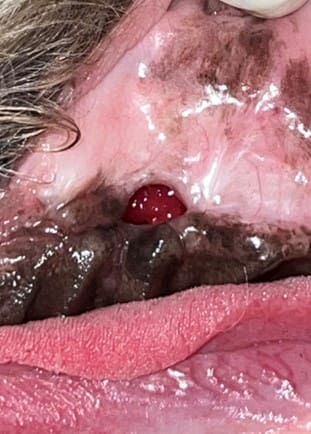
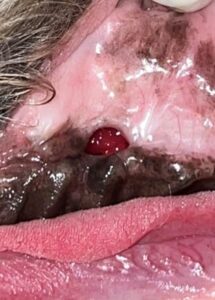
Oronasal fistulas in dogs occur when an abnormal passage forms between the mouth and the nasal cavity. This condition can result from birth defects, dental disease, trauma, or tumors, allowing food, fluids, and bacteria to travel between the mouth and nose. In a healthy dog, the mouth and nasal cavity are separated by a bone called the palatine bone. When a fistula forms, this separation is compromised, leading to discomfort and potential health complications.
Causes of Oronasal Fistulas in Dogs
- Congenital Abnormalities: Some dogs are born with developmental defects like cleft palates, leading to oronasal fistulas. These conditions require early intervention.
- Dental Disease: Periodontal disease or severe tooth infections, especially in the upper jaw, can erode bone and create a fistula between the mouth and nasal cavity.
- Trauma: Accidents or bites can cause damage to the palatine bone, leading to fistula formation.
- Tumors: Oral tumors or cancers can erode the bone and cause a connection between the oral and nasal cavities.
Symptoms of Oronasal Fistulas in Dogs
Common signs of oronasal fistulas in dogs include:
- Nasal discharge: Clear, bloody, or pus-filled discharge from the nose due to food or bacteria passing into the nasal passages.
- Bad breath: Persistent halitosis from food particles and bacteria entering the nasal cavity.
- Coughing or gagging: Occurs when food or liquids pass into the nasal passages.
- Difficulty eating: Discomfort or trouble while eating or drinking.
- Frequent sneezing: Caused by foreign materials in the nasal cavity.
Recognizing Early Warning Signs Is Key
Early intervention is the best way to prevent complications from oronasal fistulas in dogs. Watch for subtle symptoms like increased sneezing after meals, nasal discharge with food particles, or sudden aversion to chew toys. These early signs often go unnoticed but may indicate developing dental disease or a small fistula. Don’t wait until the condition worsens—routine dental checkups with your veterinarian and at-home oral exams can catch issues before they become serious. If you’re unsure what to look for, check out these AVDC guidelines on oral health warning signs.
Diagnosing Oronasal Fistulas
A thorough veterinary examination is crucial to diagnosing oronasal fistulas. Your vet may use:
- Oral examination: Often performed under anesthesia to identify dental disease or trauma.
- X-rays or CT scans: Imaging helps detect bony defects, tumors, or severe dental disease contributing to the condition.
Treatment Options for Oronasal Fistulas
The most effective treatment for oronasal fistulas in dogs is surgical repair. This involves:
- Surgical repair: The surgeon removes diseased tissue and restores the separation between the mouth and nasal cavity using local tissue to close the fistula.
- Dental care: If dental disease caused the fistula, addressing these issues through cleanings, extractions, or infection treatment is essential.
- Medications: Antibiotics or anti-inflammatory drugs can manage infections and promote healing.
- Nutritional management: Soft foods may be recommended during recovery to ease discomfort.
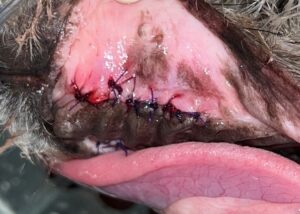
Surgical Repair for Oronasal Fistulas
While surgical repair is the most definitive treatment for oronasal fistulas, its success can depend on several factors, such as the fistula’s size and location, and the surgeon’s expertise. If your general vet is not comfortable with this procedure, it’s important to consult a veterinary dental specialist for the best possible outcome.
Surgical Repair Summary:
- General Anesthesia: The veterinarian places your dog under general anesthesia to ensure they remain still and pain-free throughout the procedure.
- Local Anesthesia: They administer a nerve block to manage pain for up to three days after surgery.
- Debridement: The surgeon thoroughly cleans the area, removing any damaged or loose tissue around the fistula.
- Flap Technique: They create a tissue flap from the oral mucosa or nearby tissues to cover the fistula, ensuring the gap between the mouth and nasal cavity is sealed for proper healing.
- Suturing: The surgeon carefully stitches the flap, preventing any further communication between the oral and nasal cavities.
- Recovery: After the procedure, your pet may require a soft food diet and medications, such as antibiotics and pain relievers, to aid in healing.
Monitoring your pet’s recovery closely is essential, and following your veterinarian’s instructions will help ensure successful healing. Regular follow-up visits will confirm the fistula has been effectively closed.
Post-Surgical Care
After surgery, follow your vet’s post-op care instructions carefully. This may include:
- Administering prescribed medications.
- Monitoring for complications.
- Feeding soft foods during the healing process.
Regular follow-up visits are vital to ensure the fistula heals properly and your dog recovers fully.
Conclusion
Oronasal fistulas can cause significant discomfort for dogs, but with timely diagnosis and proper treatment, your pet can recover and lead a happy, healthy life. If you suspect your dog may have an oronasal fistula, consult a veterinarian immediately. Proper care and attention can prevent further complications and improve your pet’s quality of life.
If you have concerns about your pet’s oral health, feel free to contact us. We’re here to help keep your furry friend free from dental-related pain and discomfort!
For more detailed information on oronasal fistulas and other dental conditions, you can visit the American Veterinary Dental College.
Additional Considerations in Chronic or Recurrent Cases
In some cases, oronasal fistulas can recur even after surgical repair. This is especially true if the underlying cause—such as periodontal disease or trauma—is not adequately addressed. Dogs with weakened immune systems, severe bone loss, or prior unsuccessful surgeries may be at a higher risk for recurrence. In these cases, a board-certified veterinary dentist may need to perform a more advanced surgical technique or use regenerative materials like bone grafts or membranes to aid healing.
Ongoing oral care is also critical to reduce the risk of future complications. Pet owners should maintain good at-home dental hygiene, including daily tooth brushing and regular professional dental cleanings. These efforts not only help prevent recurrence but also protect the rest of your dog’s oral and systemic health. For guidance on proper brushing techniques, you can visit the Veterinary Oral Health Council (VOHC) for approved products and tips.
Preventing Oronasal Fistulas
While not all causes of oronasal fistulas are preventable—especially congenital or traumatic cases—many that stem from dental disease can be avoided with proactive care. Regular dental checkups allow your veterinarian to monitor for signs of periodontal disease or bone loss before they progress. At-home dental routines, including appropriate chew toys, dental treats, and vet-approved toothpastes, help reduce plaque buildup and maintain gum health.
Additionally, small breed dogs and those with crowded teeth are at greater risk for periodontal issues and should receive extra attention when it comes to oral care. If you’re unsure how to evaluate your pet’s dental health at home, consult your veterinary team or explore resources from the American Veterinary Dental College (AVDC) to learn more.