
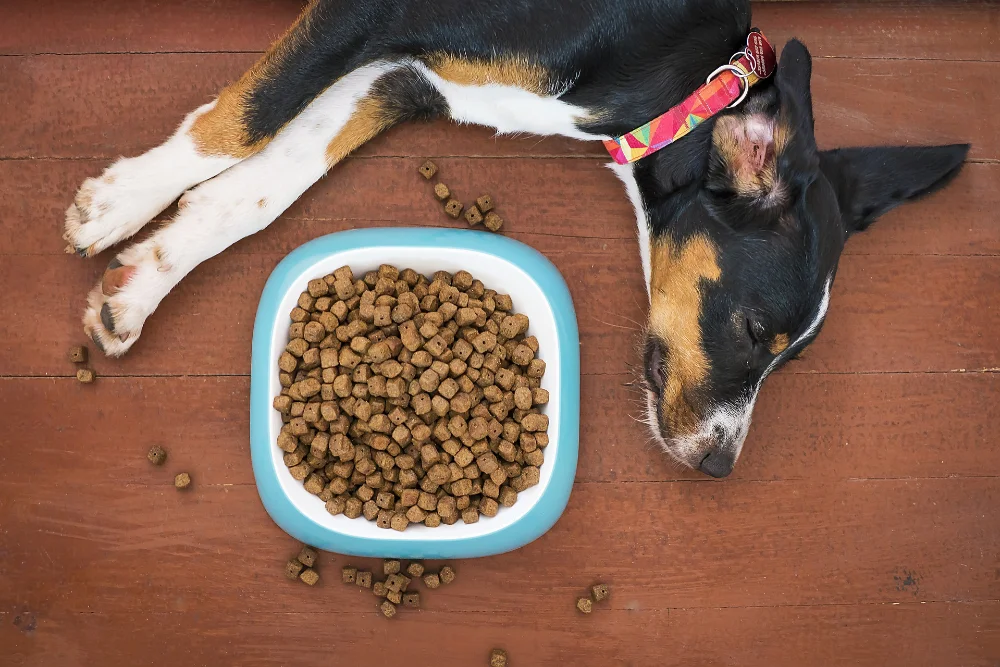
Wondering how dogs eat after dental extractions? You’re not alone—this is one of the most common concerns we hear from pet owners after a dental procedure. The good news is that most dogs not only adapt quickly, but often eat better once painful, diseased teeth are removed. While teeth play an obvious role in chewing, dogs are incredibly resilient and capable of enjoying food with just a few modifications. In fact, many dogs thrive and live healthier, happier lives after dental extractions.
Soft or Moist Food Is the First Step in Helping Dogs Eat After Extractions
One of the easiest adjustments when learning how dogs eat after dental extractions is switching to soft or moist food. Canned food, home-prepared meals, or even unseasoned baby food can be gentle on the mouth and easy to swallow. Make sure you choose a high-quality, nutrient-rich diet—you can talk to your veterinarian for recommendations.
Here’s how to choose the right food for your dog post-surgery.
Soaking Dry Food Makes Kibble Easier to Eat
Still want to offer your dog dry food? No problem! Soaking kibble in warm water or low-sodium broth softens it, making it easier to chew or swallow. This method also improves hydration, especially helpful for dogs recovering from anesthesia or oral discomfort.
Pureed Diets Help Dogs with Severe Tooth Loss
For dogs who have had multiple or full-mouth extractions, pureeing their food is a great option. A blender can turn cooked meat, vegetables, and grains into a soft, easy-to-digest meal. Just make sure you’re maintaining nutritional balance—ask your vet if supplements are needed.
Hand Feeding After Dental Extractions
Hand feeding can be a great way to encourage eating, especially in the first few days post-op. Offer small bites by hand or with a spoon to help your dog feel supported and safe while they adjust.
This also allows you to monitor exactly how much your dog eats after dental extractions, which is important for ensuring proper recovery.
Can Dogs Eat Kibble Without Teeth?
Surprisingly, yes—many dogs adapt to eating kibble without teeth. They often learn to swallow it whole without any issues. According to the American Veterinary Dental College, most dogs do very well after extractions and need only minor dietary changes, if any.
Transitioning to a New Diet After Dental Extractions
Gradually switching your dog’s food helps reduce stomach upset. Mix soft food with your dog’s current diet in increasing amounts over 5–7 days. This smooth transition helps prevent refusal or GI distress while supporting recovery.
Monitor Eating Habits After Dental Surgery
After the initial adjustment, keep a close eye on how much your dog eats, drinks, and whether their weight stays stable. Offer smaller, more frequent meals if needed. If you notice any difficulty eating, discomfort, or loss of appetite, contact your veterinarian.
Follow-Up Is Key for Long-Term Oral Health
Dogs typically bounce back quickly, but follow-up visits are critical to ensure healing is progressing as expected. Maintaining a dental home care routine and scheduling regular cleanings will help protect any remaining teeth and overall oral health.
Need Help Navigating Your Dog’s Recovery?
If your pet had a dental procedure at Carefree Dentistry & Oral Surgery for Animals, we’re happy to provide personalized diet advice during recovery. Whether your dog had one tooth removed or several, we’re here to help them feel their best again.
By understanding how dogs eat after dental extractions and making small dietary changes, you’re giving your pet a better, more comfortable life. You’ve already taken the first step by removing the pain—now it’s time to support your dog as they heal and thrive.